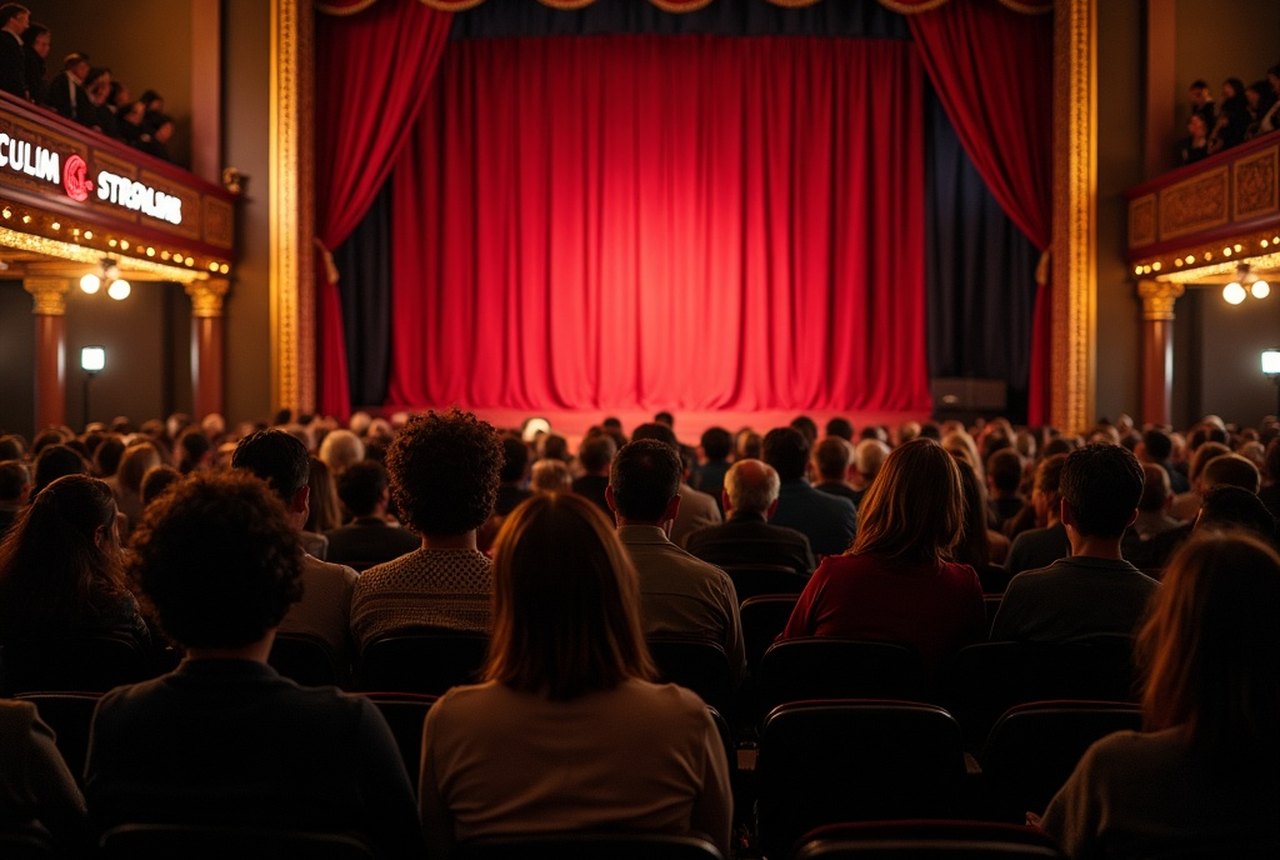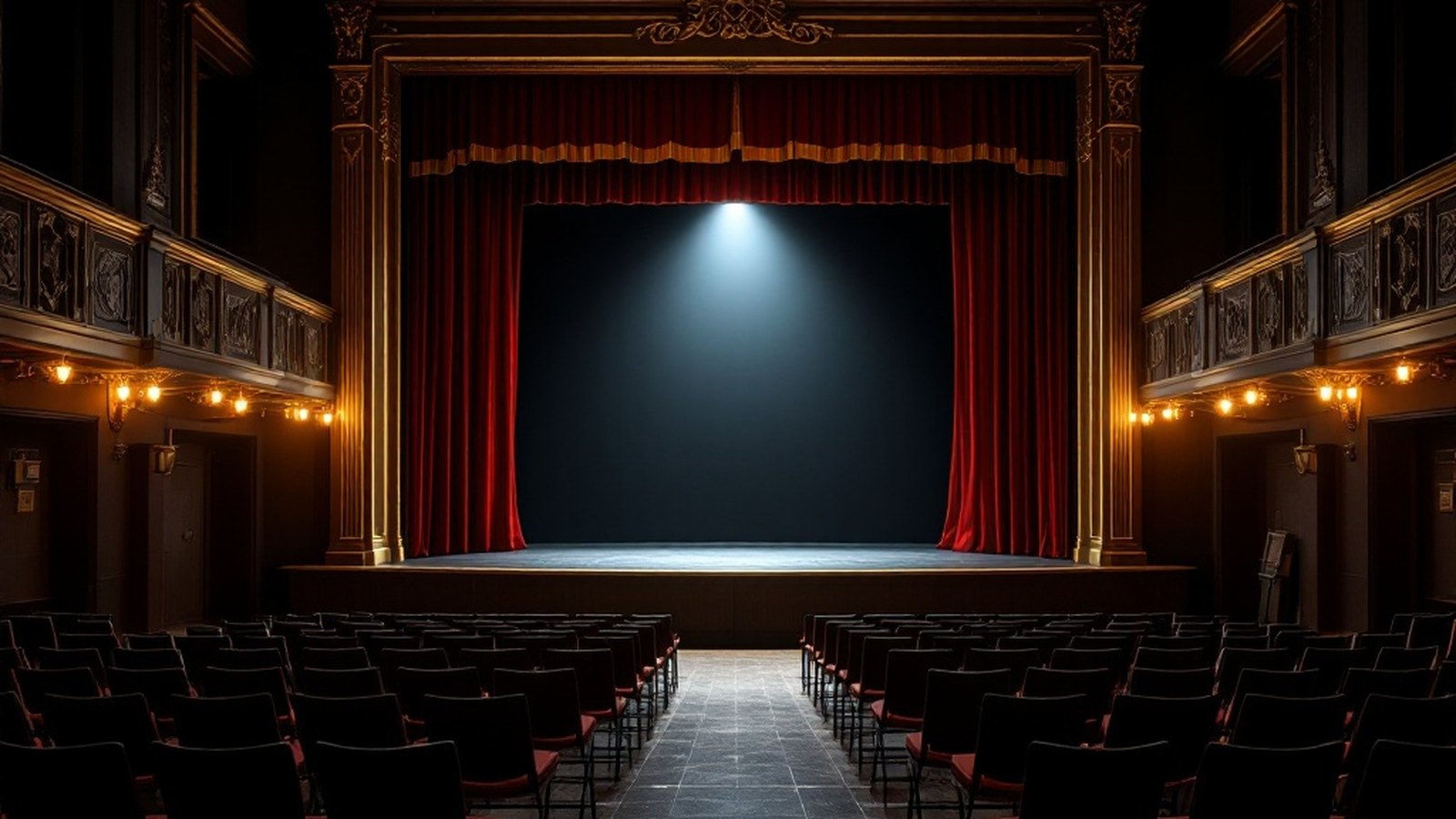
The seat is a folding chair. The lights are work lights borrowed from a loading dock, or as close as makes no difference. The playwright is probably in the room — maybe running the box office, maybe mopping the floor before the audience files in. And something happens here that the Shubert Organization cannot manufacture at any price.
The black box is not a consolation prize for productions that couldn't afford Broadway. It is a form with its own demands and its own rewards. Flexible staging, intimate scale, nothing between the performer and the audience but a few feet of air — these aren't limitations, they are the whole argument. Edward Albee developed his voice in rooms like this before anyone dreamed of putting him on Broadway. So did Chuck Mee, whose sprawling, collaged texts practically require the informality of a space that can be remade from one production to the next.
Off-Off-Broadway — venues under a hundred seats, often running on budgets that wouldn't cover a single Broadway costume — is where directors find out what they actually know and actors find out what they can actually hold. Small downtown rooms throughout Lower Manhattan and Brooklyn have consistently produced the work that the larger institutional houses eventually claim as their own. The conversation rarely runs the other direction.
What these rooms do that a twelve-hundred-seat house cannot: they make failure survivable. A scene that doesn't land, an idea that misfires — in a black box, you learn something. On a Broadway stage with a forty-million-dollar capitalization behind it, you panic and you cut it before opening. The risk is where the art lives, and the risk requires a room small enough to hold it.
Go see something downtown you know nothing about. Take the folding chair. Pay attention.
And something happens here that the Shubert Organization cannot manufacture at any price.