
What Ujima Demands
Ujima (oo-JEE-mah) is the third principle of Kwanzaa. It calls on communities to build and maintain themselves together — to make one another's problems shared problems, and to solve them collectively. At its core, Ujima holds that liberation without collective struggle is a fantasy. Humanity is not merely an identity. It is an obligation.
That obligation cuts in every direction. Ujima rejects the idea that one person can win while another suffers. Freedom cannot be divided — your liberation is bound to mine. That means accepting shared responsibility for setbacks and failures as readily as for triumphs, from national movements down to individual families and organizations. A community's strength lies precisely in its willingness to hold itself accountable: to defend one another, and to correct one another.
A community practicing Ujima does not operate from selfishness. Disagreement is addressed through patience and reconciliation — the goal is always to bring people together, never to impose rules by force. Where there is no genuine agreement, Ujima holds, there is no real relationship.
At its core, Ujima holds that liberation without collective struggle is a fantasy.
Work as the Engine of Culture
Collective work is the foundation of culture and history. It is what makes creativity possible and drives human development forward. The historical trauma of enslavement and colonization was so devastating precisely because it dismantled generations of collective achievement — severing communities from their own traditions, their own labor, their own story. That wound is still felt.
Ujima answers it directly. History and culture charge the living with the responsibility to recover what was taken and rebuild what was destroyed. No individual can carry that weight alone, which is why the principle insists that every act must serve the good of the whole community — not private gain. United we stand is not a slogan here. It is the animating logic of the thing.
Why It Matters Here
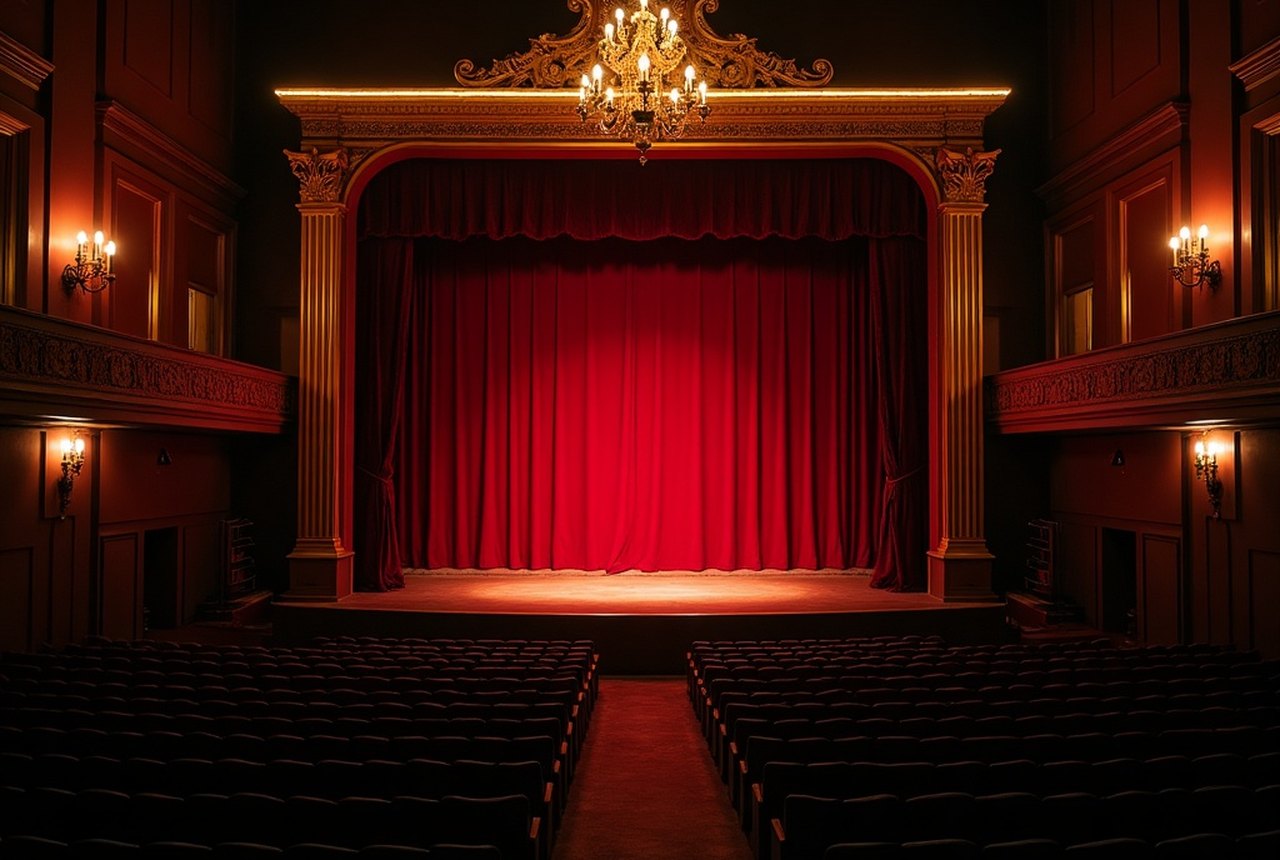
For a journal called Ujima, the principle is not decoration — it is a mandate. The New York stage can produce extraordinary work and still fail entire communities: the writers whose stories go unstaged, the directors who never get the room, the audiences who never see themselves reflected in a marquee. The voices left offstage are not a footnote to theatre history; they are the direct consequence of a field that has too often treated collective responsibility as optional.
Covering that — honestly, without deference to institutional prestige — is what this journal is for. Not to police the stage, but to hold it accountable. To correct and to defend. To insist, in print, that the theatre's problems are shared problems, and that solving them requires all of us working together. That is Ujima. That is the work.